Things to Discover
Look at the Virtual Tour to discover the museum.
You can “observe” infinity and zero; “manipulate” the Pythagorean theorem or “enter” on an exciting journey within a fractal; “play” with the first numbers and the pi greek or stay fascinated by that golden numeretto that makes beautiful all that surrounds us and “discover”, slowly, that the eating is at the base of computer science, internet, virtual reality, robotics and that its presence is all within.
History
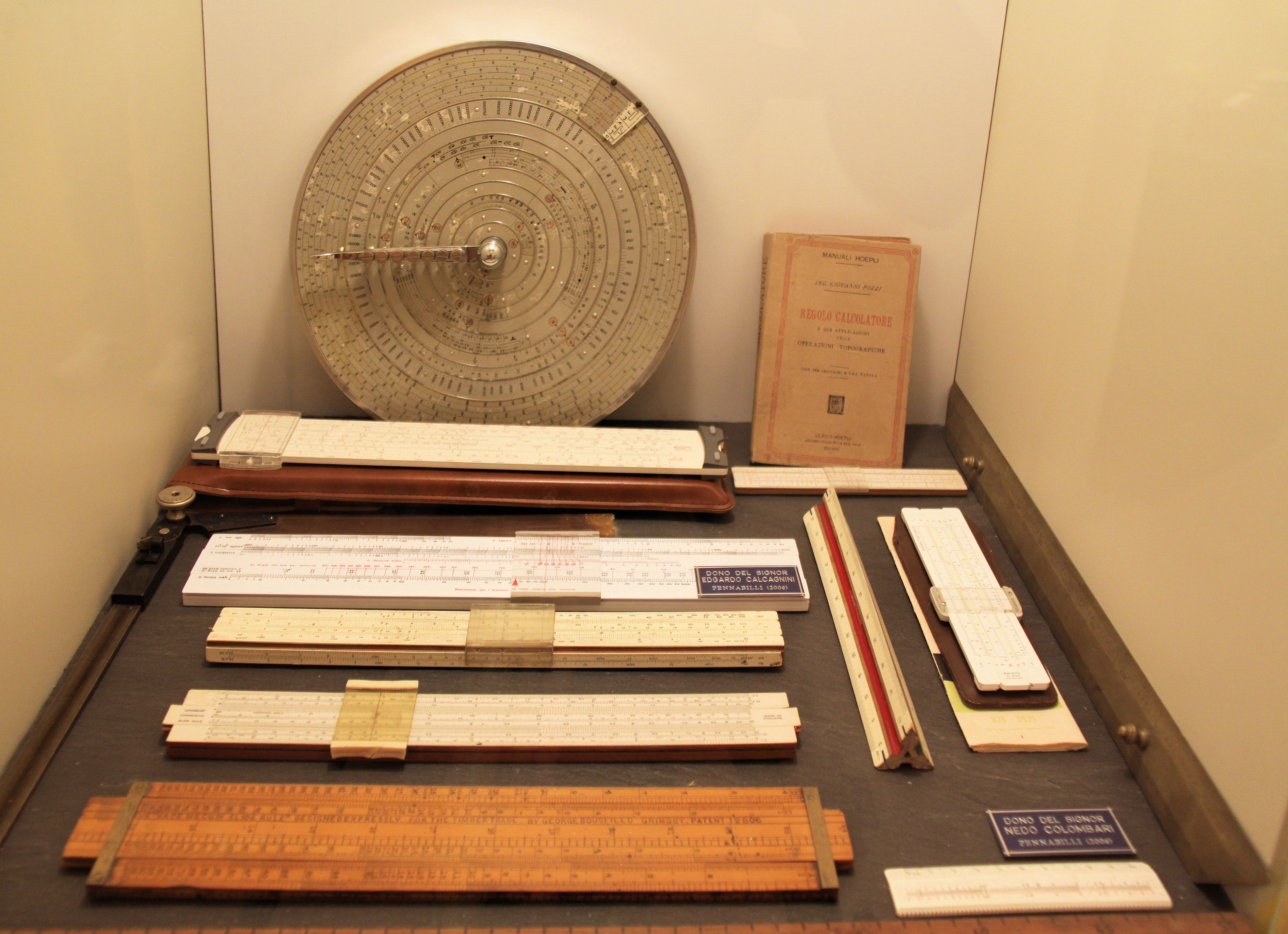
A fascinating journey through the main influences and concepts that helped man move from fatigue to pleasure to count. It is possible to admire the only cone of cuneiform foundation exposed in Italy (2,200 BCE); Sumerian tablets of 4,200 years ago, the original Egyptian Horus god of the 1000 BCE, Greek inscriptions, lapids and Roman coins, abachi, Suon pan Chinese, soroban (Japanese abacus) Japanese, schoty russi, an astrolabio, a medieval count board chint
Machines
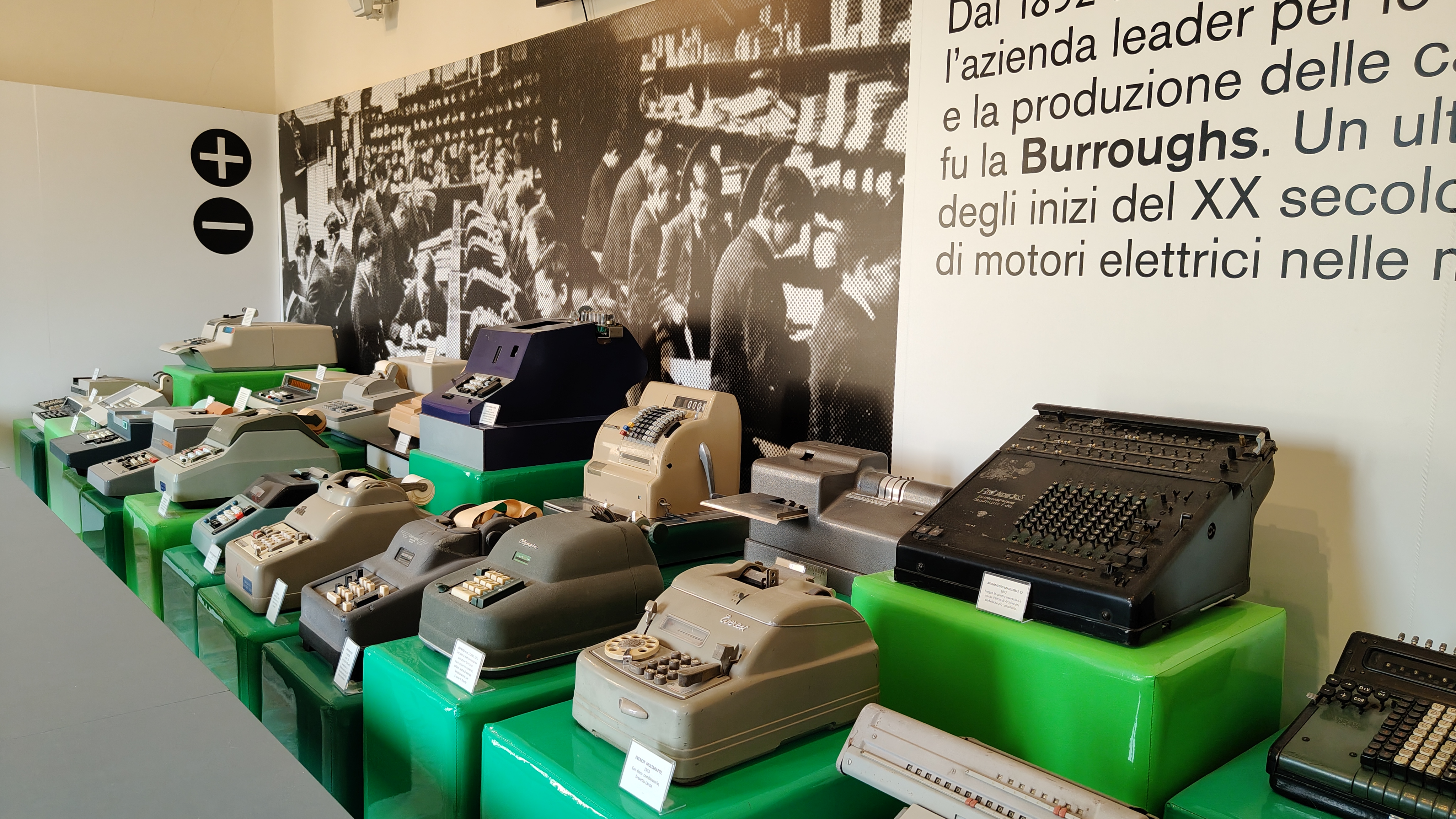
A fantastic exhibition of ancient mechanical calculators: from the reconstruction of Pascaline (1645) to the original and working Arithmometer (1820), Comptometer (1887), Brunsviga (1892), Burroughs (1895), extended and reduced keyboard additives (early 900) to Curta (1950), the smallest mechanical calculator in the world. From the electromechanical calculators Archimedes and Mercedes Euclid (30s) to today’s electronic and programmable pocket calculators.
Sale-laboratory
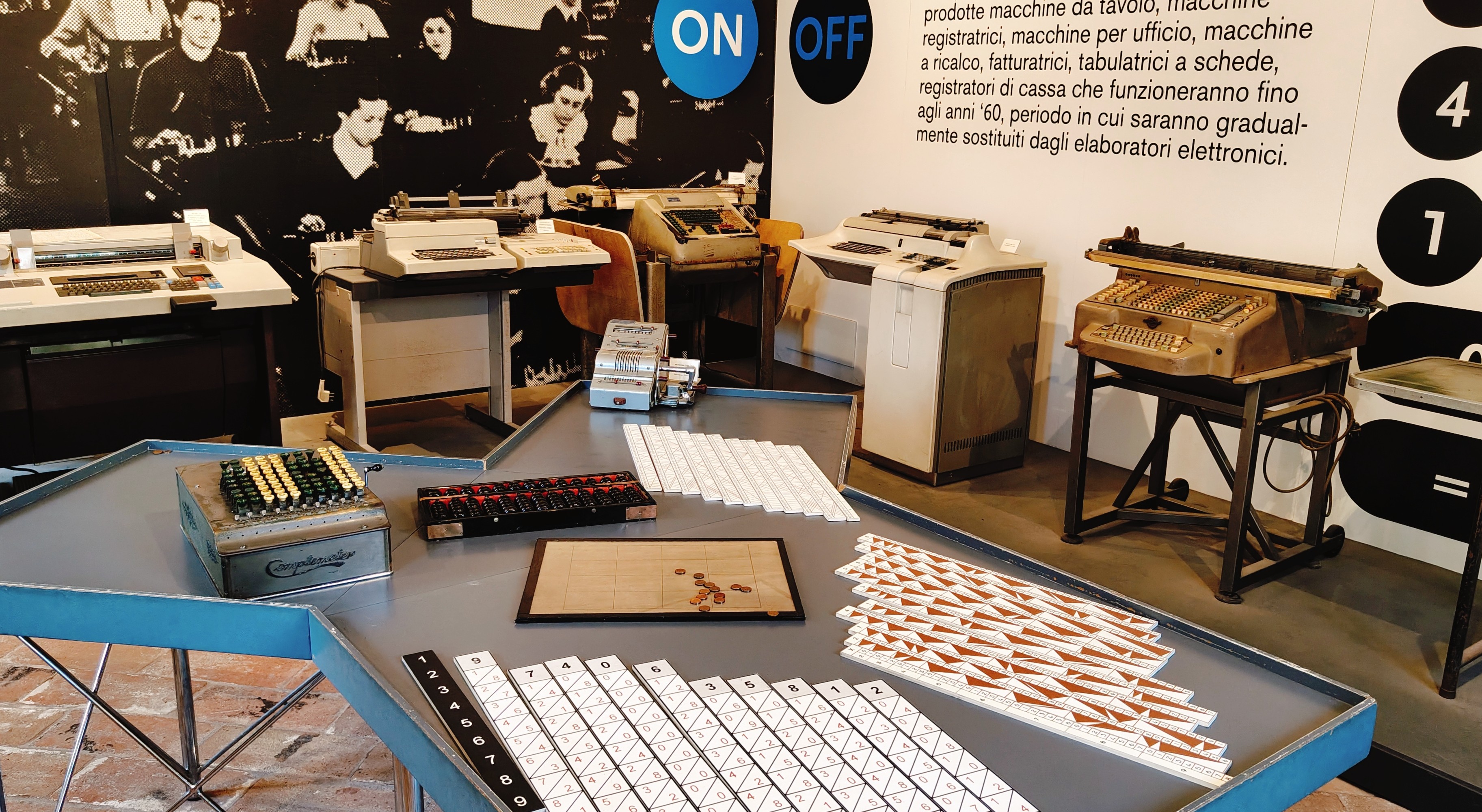
Numerous rooms-laboratory present the basic mathematical ideas: from the Pythagorean theorem animated to the Sieve of Eratosthenes, from the vision of zero to the amazing hall of infinity, from the man of Vitruvius in the golden room to the exciting journey inside a fractal to end surrounded by the amazing drawings of Escher. The Lampi laboratory of genius, with 30 exhibits, allows to experiment interactively and in a ludicrous way the most important occupational instruments. It is possible to see films, on mathematical topics, modulated on the various age groups of the visitor.